 ultimate-guide
Exosome Therapy for Facial Rejuvenation: What Works
Table of Contents
- What Are Exosomes and How Do They Work?
- Exosome Microneedling Benefits for Skin Rejuvenation
- Exosomes vs. PRP for Skin: Key Differences
- What to Expect During Exosome Therapy Treatment
- Exosome Facial Downtime and Recovery Timeline
- Who Is a Good Candidate for Exosome Therapy?
- Long-Term Results and Maintenance for Sustained Benefits
- Frequently Asked Questions
Last Updated: September 25, 2026
What Are Exosomes and How Do They Work?
Exosomes are tiny extracellular vesicles released by cells that carry bioactive molecules, including growth factors and proteins essential for cellular communication and tissue repair. Think of them as biological messengers that travel between cells, triggering regenerative responses in the skin without requiring surgery or prolonged recovery.
When applied through microneedling or topical delivery, exosomes penetrate the dermal layers and activate your skin's natural repair mechanisms. They signal fibroblasts to increase collagen production, enhance cellular turnover, and improve skin elasticity. Unlike passive moisturizers or serums, exosomes actively instruct your skin cells to rebuild and rejuvenate themselves from within.
The science behind exosome therapy for facial rejuvenation centers on exosomes, which carry regenerative compounds. These molecules communicate directly with damaged or aging cells. The result is improved skin texture, refined pores, and a more luminous complexion, without the frozen appearance that concerns many people considering aesthetic treatments.
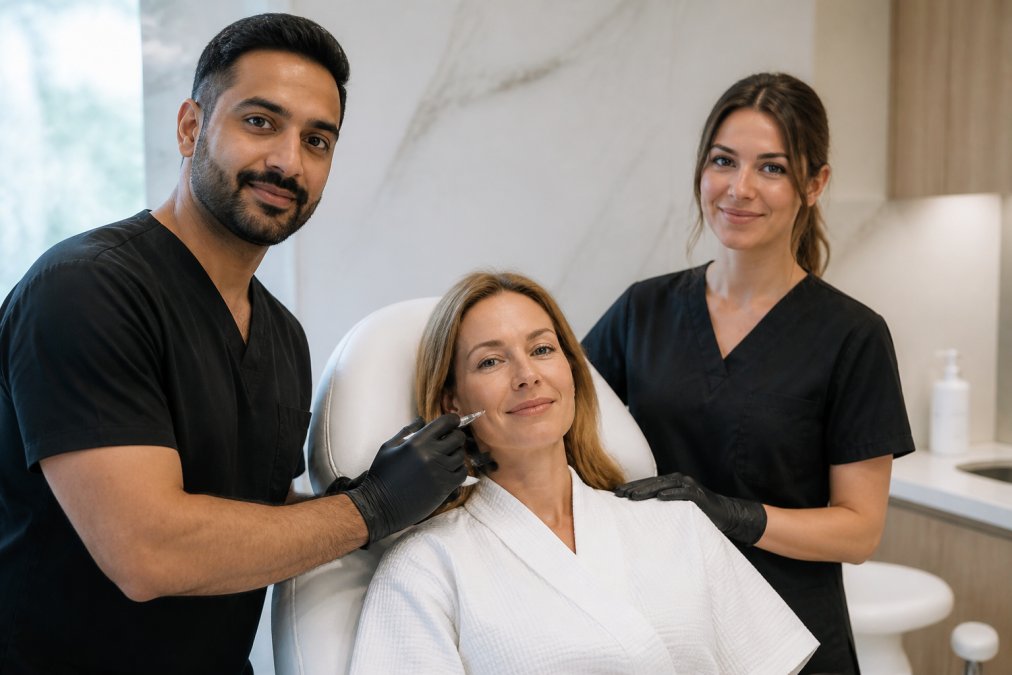
At Medical Aesthetics and Lasers, we've integrated exosome therapy into our regenerative medicine offerings because the results align with our philosophy of natural-looking enhancement. The treatment works synergistically with microneedling, amplifying the body's own healing response rather than relying on chemical or surgical intervention.
Exosome Microneedling Benefits for Skin Rejuvenation
The combination of microneedling with exosome application is where exosome therapy for facial rejuvenation truly delivers measurable results. Microneedling creates controlled micro-injuries that prompt the skin's healing response, while exosomes amplify that response by flooding the wound-healing pathway with growth factors and regenerative signals.
This synergy produces several visible improvements. Fine lines and wrinkles soften as collagen remodeling accelerates. Skin texture becomes smoother, pores appear refined, and overall radiance increases. Many people report that their skin feels firmer and more hydrated weeks after treatment, as the exosomes continue signaling cellular repair long after the procedure ends.
The exosome microneedling combination also addresses deeper dermal dysfunction that surface-level treatments cannot reach. Because exosomes penetrate to the dermal layer where collagen lives, they trigger genuine structural improvements rather than temporary plumping. Pigmentation issues often improve as well, since cellular communication is restored and melanin production normalizes.
Recovery is minimal compared to traditional laser resurfacing or chemical peels. Most people experience mild redness for 24-48 hours, with no significant downtime. This makes exosome microneedling an accessible option for busy professionals who cannot afford extended healing periods.
The quality of the exosome source directly determines the strength of your results. Alternatives may contain degraded molecules that cannot effectively signal cellular repair.
Exosomes vs. PRP for Skin: Key Differences
Both exosome therapy for facial rejuvenation and platelet-rich plasma (PRP) activate your body's healing mechanisms, but they work through fundamentally different pathways. Understanding the distinction helps you choose the approach that matches your skin concerns and timeline.
PRP harnesses growth factors already present in your own blood. A sample is drawn, centrifuged to concentrate platelets, and then injected or applied topically. The growth factors trigger inflammation and healing, which stimulates collagen production over weeks. PRP is effective, especially for hair restoration and certain musculoskeletal injuries.
Exosomes, by contrast, are stem-cell derived biological messengers that carry a pre-loaded cargo of regenerative compounds. They don't rely on your body's existing reserves, they deliver concentrated bioactive molecules directly to damaged cells. This makes exosomes particularly effective for aging skin, since aging skin often has depleted its own growth factor reserves.
In terms of results timeline, PRP typically requires 4-6 weeks to show meaningful improvement as inflammation triggers collagen remodeling. Exosomes often show visible benefits within 2-3 weeks, and improvements continue for 8-12 weeks as cellular signaling cascades unfold. For skin rejuvenation specifically, exosomes can produce texture and elasticity improvements because they directly instruct collagen synthesis rather than simply triggering inflammation.
Cost and availability differ as well. PRP requires a blood draw and processing at each visit, making it repeatable but dependent on your own physiology. Exosomes are manufactured products, so sourcing matters significantly. Not all exosome products are equally potent.
What to Expect During Exosome Therapy Treatment
A typical exosome therapy for facial rejuvenation session begins with a thorough skin assessment and discussion of your goals. Your provider will evaluate your skin type, existing damage, and sensitivity to determine the appropriate microneedling depth and exosome concentration for your face.
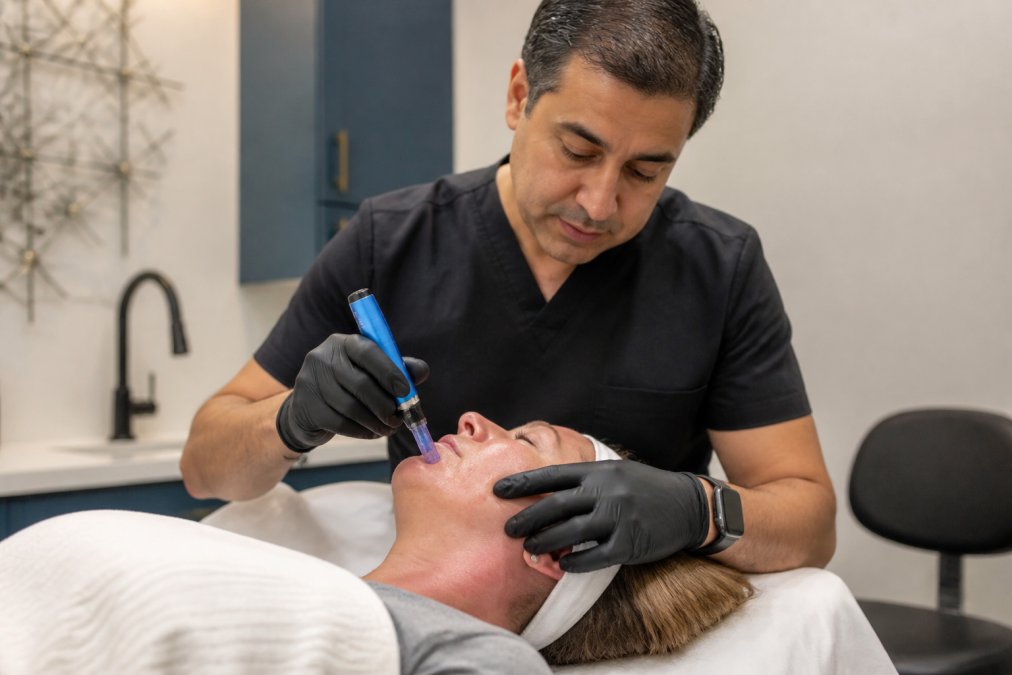
The procedure itself takes 30-45 minutes. Your skin is cleansed and a topical numbing cream is applied for 15-20 minutes to minimize discomfort. The microneedling device is then passed across your face in multiple directions, creating controlled micro-channels. You may feel mild pressure and slight sensation, but the numbing cream keeps pain minimal.
Once microneedling is complete, the exosome serum is applied directly to the treated areas. The micro-channels allow deep penetration that wouldn't be possible on intact skin. Many providers use a hydrating mask or LED light therapy afterward to support the healing process. You'll receive detailed aftercare instructions and a timeline for results.
Most people describe the experience as tolerable rather than painful. The sensation is similar to light sandpaper being moved across your skin, noticeable but not sharp. Anxiety about the procedure is often worse than the actual experience, especially under numbing.
At Medical Aesthetics and Lasers, the procedure is physician-supervised, meaning Dr. Ayaz Khan personally evaluates your skin and customizes the treatment depth and exosome concentration to your specific needs. This personalized approach ensures you get results tailored to your skin condition, not a one-size-fits-all protocol.
Exosome Facial Downtime and Recovery Timeline
One of the biggest advantages of exosome therapy for facial rejuvenation is minimal downtime compared to ablative laser treatments or aggressive chemical peels. Most people return to normal activities within 24-48 hours, though full healing and collagen remodeling continues for weeks.
Immediately after treatment, expect mild redness and possible slight swelling, similar to a sunburn. This peaks within 2-4 hours and typically subsides significantly by the following morning. Some people experience very light flaking or peeling around day 3-5 as dead skin naturally sheds, this is a positive sign that cellular turnover is accelerating.
By day 2-3, most redness fades enough that makeup can cover any remaining marks. You can return to light exercise by day 3-4, though intense workouts should wait until day 5-7 to avoid excessive sweating during the critical healing phase. Regular skincare can resume after 48 hours, though avoid active ingredients like retinoids or vitamin C for the first week.
The real timeline for exosome facial results unfolds over 8-12 weeks. Initial improvements in radiance and texture appear by week 2-3 as cellular signaling activates. Fine lines soften progressively, skin becomes firmer, and pore refinement becomes apparent by week 4-6. The most dramatic results typically emerge at the 8-12 week mark as collagen remodeling reaches its peak.
This extended timeline is actually beneficial, it means your results look natural and progressive rather than suddenly dramatic. Friends and family will notice you look refreshed, not obviously "done."
Who Is a Good Candidate for Exosome Therapy?
Exosome therapy for facial rejuvenation works best for adults seeking natural-looking skin improvement without surgery. The ideal candidate is someone with realistic expectations who understands that results develop gradually over weeks, not overnight.
You're a good fit if you have concerns like fine lines, loss of elasticity, dull complexion, uneven texture, or mild pigmentation issues. Exosome therapy excels at addressing these common signs of aging because it stimulates collagen production and improves cellular communication. If your skin damage is more severe, deep wrinkles, significant sagging, or advanced sun damage, you may benefit from combining exosomes with other treatments like thread lifts or dermal fillers for optimal results.
Age alone doesn't determine candidacy.
Long-Term Results and Maintenance for Sustained Benefits
Exosome therapy for facial rejuvenation produces results that compound over time, but they're not permanent. Skin continues to age, and collagen production gradually declines again after the initial treatment window closes. Most people benefit from maintenance treatments to sustain their improvements.
| Maintenance Approach | Frequency | Best For |
|---|---|---|
| Single annual treatment | Once per year | Maintenance after initial series |
| Semi-annual treatments | Twice per year | Accelerated initial results or advanced aging |
| Quarterly microneedling | Every 3 months | Bridge between exosome treatments |
| Combination therapy | Varies | Maximum collagen stimulation and results |
Frequently Asked Questions
How does exosome therapy for facial rejuvenation differ from traditional anti-aging treatments like Botox or fillers?
Exosome therapy works at the cellular level by delivering bioactive molecules and growth factors that trigger your skin's own regenerative processes. Unlike Botox, which freezes muscles, or fillers, which add volume, exosomes stimulate collagen production and cellular communication to improve skin texture, elasticity, and complexion naturally over time. Results develop gradually as your skin rebuilds itself rather than creating immediate visible changes.
What is the main advantage of combining exosomes with microneedling?
Microneedling creates controlled micro-injuries that activate the skin's healing response, while exosomes deliver bioactive molecules directly into the dermis where they're needed most. This combination enhances cellular signaling and tissue repair far more effectively than either treatment alone. The microneedling channels allow exosomes to penetrate deeper, amplifying collagen remodeling and improving skin texture, fine lines, and overall rejuvenation outcomes.
How long does recovery take after an exosome facial treatment?
Most patients experience minimal downtime. Mild redness and slight swelling typically appear within hours and fade within 24 to 48 hours. Some patients may have minor pinpoint bleeding or temporary sensitivity. You can resume normal activities and light exercise within 1 to 2 days. Full results emerge over 4 to 12 weeks as cellular communication and collagen production increase, making exosome therapy a minimally-invasive option with manageable recovery.
Are exosomes better than PRP for facial skin rejuvenation?
Both exosomes and PRP stimulate tissue repair and collagen production, but they work differently. PRP uses your own blood platelets to trigger growth factors, while exosomes are stem-cell derived extracellular vesicles that deliver pre-packaged bioactive molecules. Exosomes can provide consistent results, and they may penetrate skin effectively. The best choice depends on your skin condition, goals, and medical history, a consultation with a qualified physician can determine which is right for you.