 ultimate-guide
Biote Pellet Therapy for Menopause: 2026 Guide
Table of Contents
- What Is Biote Pellet Therapy for Menopause?
- The Biote Pellet Insertion Process: What to Expect
- Benefits of Hormone Pellet Therapy for Women
- Bioidentical Hormone Replacement Therapy Side Effects
- How Long Do Hormone Pellets Last?
- Biote Pellet Therapy vs. Other Menopause Treatments
- Frequently Asked Questions
Last Updated: September 17, 2026
What Is Biote Pellet Therapy for Menopause?
Biote pellet therapy for menopause is a physician-administered form of bioidentical hormone replacement that places a small compounded pellet under the skin to release estradiol and, when appropriate, testosterone steadily over several months. This guide from Medical Aesthetics and Lasers explains how the treatment works, who it may suit, and what to expect.
The distinction that matters most: pellets are inserted, not applied or swallowed. That single difference drives everything else, from how stable your levels stay to how often you need an appointment.
How Hormone Pellets Work
A hormone pellet is a compressed cylinder of bioidentical hormone, roughly the size of a grain of rice, placed in the fatty tissue of the upper hip. Instead of a daily pill or a weekly patch, the pellet dissolves slowly and delivers a continuous dose.
Because absorption bypasses the digestive tract, levels tend to stay steadier than with oral dosing. Many patients describe fewer of the peaks and troughs that come with shorter-acting options.
The trade-off is control. Once a pellet is placed, you cannot adjust the dose until it wears down or is removed, which is why baseline labs and a careful history matter so much.
The Biote Pellet Insertion Process: What to Expect
The insertion itself takes only a few minutes and is done in the office under local numbing. Most patients return to normal activity the same day, with a small bandage over a nick-sized incision.
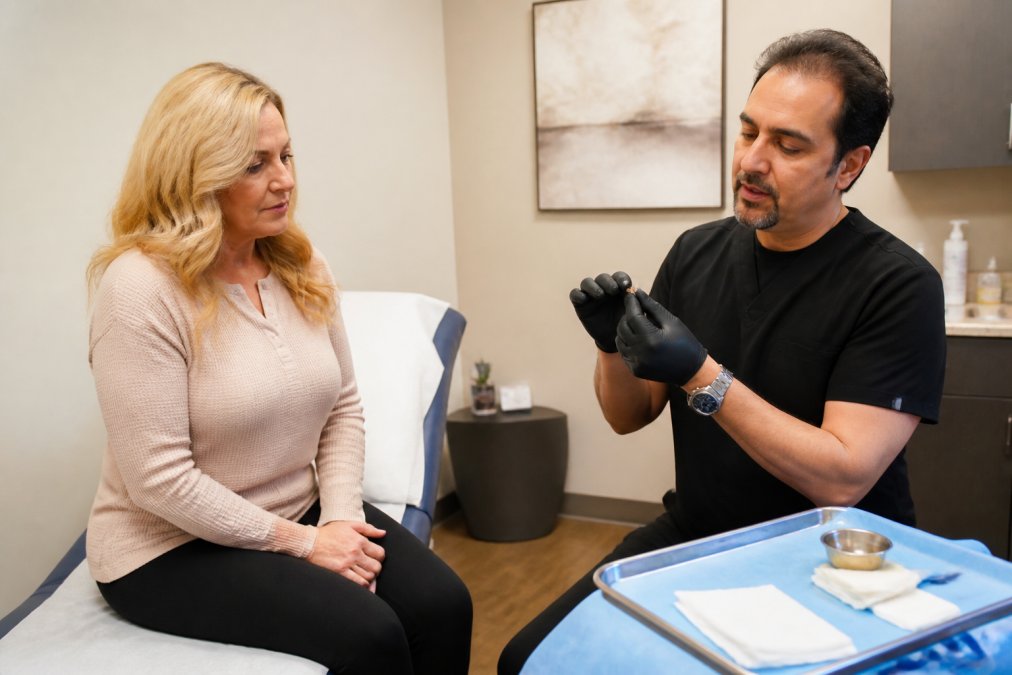
Before, During, and After Your Appointment
Before: You'll complete labs and a symptom review so the provider can confirm whether you're a candidate and set a starting dose. Bring a list of current medications and any prior hormone history.
During: The area is cleaned and numbed. The pellet is placed through a tiny channel, the site is dressed, and you're monitored briefly before heading home.
After: Keep the site dry and covered as directed, avoid soaking baths for a short period, and watch for signs of infection. Symptom changes typically build gradually rather than overnight.
Benefits of Hormone Pellet Therapy for Women
The benefits of hormone pellet therapy for women center on convenience and consistency. One in-office visit replaces daily pills, weekly patches, or gels, which many patients find easier to sustain.
Reported improvements generally involve vasomotor symptoms such as hot flashes and night sweats, along with energy, mood, sleep quality, and libido. Individual response varies, and no provider can promise a specific outcome.
- Fewer daily tasks to remember
- Steadier delivery between doses
- Less digestive involvement than oral routes
- Convenient dosing for patients who travel
Bioidentical Hormone Replacement Therapy Side Effects
Bioidentical hormone replacement therapy side effects can include breast tenderness, bloating, mood changes, acne, and spotting, particularly in the first weeks as your body adjusts. Some patients see temporary fluid retention or irritation at the insertion site.
More serious risks exist with any systemic hormone therapy. The FDA guidance on menopausal hormone therapy outlines cardiovascular, thromboembolic, and breast cancer considerations that belong in a real conversation with your physician, not a blog post.
Dose matters enormously. Too much estrogen can cause persistent tenderness and heavy bleeding; too little leaves symptoms unresolved. That's why follow-up labs and symptom tracking are part of the plan, not an upsell.
How Long Do Hormone Pellets Last?
Most hormone pellets last roughly three to six months, though how long hormone pellets last varies by dose, your metabolism, and the hormone used. Testosterone pellets often run longer than estradiol pellets in the same patient.
When a pellet wears off, symptoms can return gradually. Some patients notice a slow slide over a week or two; others feel a sharper drop. Tracking how you feel in the final weeks helps your provider fine-tune the next dose.
A common mistake is waiting until symptoms are severe before booking the next appointment. Scheduling slightly ahead of your expected wear-off window keeps levels more even.
Biote Pellet Therapy vs. Other Menopause Treatments
No single menopause treatment wins for everyone, and the right choice depends on your symptoms, history, and how much daily routine you can realistically maintain.
| Option | Typical Dosing | Best For | Main Trade-off |
|---|---|---|---|
| Hormone pellets | Every 3-6 months | Patients wanting low-maintenance dosing | Limited dose flexibility between insertions |
| Oral estrogen | Daily | Those comfortable with a pill routine | First-pass liver metabolism |
| Transdermal patch | Twice weekly | Steady delivery without pills | Skin irritation, adhesion issues |
| Topical gel | Daily | Adjustable dosing | Transfer risk to others, daily application |
| Vaginal estrogen | Local, several times weekly | Vaginal dryness and urinary symptoms | Treats local symptoms only |
Pellets suit patients who want fewer moving parts and are willing to commit to monitoring. They are a poor fit for anyone who needs frequent dose changes or who isn't prepared for lab follow-up.
At Medical Aesthetics and Lasers, we evaluate hormone therapy the same way we approach every treatment: history first, labs second, plan third. Suitability is determined only after a medical evaluation, and Dr. Ayaz Khan, MD reviews each case personally. If you're weighing your options, call 570-323-3106 or request a consultation at medicalaestheticsandlasers.com.
Frequently Asked Questions
What is Biote pellet therapy and how does it work for menopause?
Biote pellet therapy is a form of bioidentical hormone replacement that uses tiny pellets placed under the skin. For menopause, the pellets release hormones steadily to help ease symptoms like hot flashes, night sweats, and mood swings. A physician inserts them during a quick in-office visit, and the hormones are absorbed directly into the bloodstream. Suitability is determined after a medical evaluation, and a consultation can help you decide if it's right for you.
Are hormone pellets FDA-approved for menopause treatment?
The FDA has approved certain hormone therapies for menopause, but custom-compounded pellets like those used in Biote therapy are not FDA-approved as a specific product. The hormones themselves are bioidentical, meaning their chemical structure matches what your body produces. Many physicians prescribe them based on clinical experience and patient response. It's important to discuss the regulatory status and any questions with a qualified healthcare provider during your consultation.
What are the common side effects of Biote pellet therapy?
Common side effects of bioidentical hormone replacement therapy side effects may include temporary bruising or soreness at the insertion site, breast tenderness, bloating, or mood changes. Some women experience acne or hair thinning if hormone levels are not balanced correctly. Serious risks are rare but can include blood clots or cardiovascular issues. Regular monitoring by a physician helps manage these risks. Always report unusual symptoms to your doctor promptly.
How long does it take to feel the effects of hormone pellets?
Most women notice improvement in menopause symptoms within 2 to 4 weeks after pellet insertion, though it can take longer for full benefits. Energy, mood, and sleep often improve first, while hot flashes may take a bit more time to subside. Individual results vary based on your hormone levels, metabolism, and overall health. Your physician will monitor your progress and adjust the treatment plan as needed.
Is bioidentical hormone replacement therapy safer than traditional HRT?
Bioidentical hormones have a molecular structure identical to your body's hormones, but that does not automatically make them safer than traditional HRT. The FDA has approved some bioidentical products, while compounded pellets are not FDA-approved. Risks depend on your health history, dosage, and monitoring. Some studies suggest similar safety profiles, but more research is needed. A physician can help you weigh the benefits and risks for your situation.
How often do you need to get Biote pellets replaced?
How long do hormone pellets last varies, but most women need replacement every 3 to 5 months. The exact timing depends on your metabolism, activity level, and how your body absorbs the hormones. Your physician will check your hormone levels and symptoms to determine the right schedule. Never adjust or delay replacement without talking to your doctor, as hormone levels can fluctuate and affect how you feel.
Menopause symptoms don't have to run your calendar, but the fix isn't a one-size prescription. Medical Aesthetics and Lasers offers physician-led bioidentical hormone replacement therapy with personalized treatment plans, ongoing lab monitoring, and flexible financing options, all delivered in a compassionate setting. Get started with Medical Aesthetics and Lasers and build a plan matched to your symptoms, not a template.