 how-to
How to Avoid Frozen Botox: A 2026 Guide to Natural Results
Table of Contents
- Why Frozen Botox Happens and How to Prevent It
- The Difference Between Relaxed and Frozen
- How Botox Dosage for a Natural Look Prevents Overcorrection
- How to Choose a Qualified Botox Injector
- How to Get Natural Looking Botox Results
- What to Do After Botox to Avoid a Frozen Look
- Managing Discomfort and Bruising After Injections
- Is It Possible to Correct Frozen Botox?
- Frequently Asked Questions
Last Updated: September 22, 2026
Why Frozen Botox Happens and How to Prevent It
Frozen Botox is what happens when injected neuromodulators relax too many facial muscles at once, leaving the face flat and expressionless instead of naturally softened. The good news is that learning how to avoid frozen botox comes down to three things you can control: the dose, the injector, and your aftercare.
This guide from Medical Aesthetics and Lasers explains each one in plain terms.
Botox and similar products work by blocking nerve signals to specific muscles. Do that gently, and lines soften while your face still moves. Do it heavily, and the whole area goes still. The line between the two is thinner than most people expect.
Below, we'll show you exactly how to avoid frozen botox, from choosing the right injector to spotting trouble early.
The Difference Between Relaxed and Frozen
Relaxed means the muscle still moves, just less. Frozen means it barely moves at all.
A relaxed result keeps your expressions intact. You can still raise your brows, squint, and smile. The lines simply look softer.
A frozen result flattens the face. The forehead won't lift. The brows won't drop. Some people call it a "mask" look.
Here's the part most guides get wrong: freezing isn't a sign the product failed. It's a sign too much was used, or it landed in the wrong spot.
How Botox Dosage for a Natural Look Prevents Overcorrection
Botox dosage for a natural look is smaller than what many first-timers receive. Starting low and adding more later is far safer than starting high.
Doses are measured in units, and everyone responds a little differently. Muscle strength, anatomy, and past treatments all play a role.
A skilled injector will:
- Start with a conservative dose
- Treat only the muscles causing the lines
- Leave nearby muscles working
- Schedule a follow-up to fine-tune
The thing nobody tells you about dosing is that you can always add more. You cannot take it out. That's why a cautious first round beats an aggressive one every time.
How to Choose a Qualified Botox Injector
Choosing a qualified Botox injector is the single biggest factor in avoiding a frozen look. Training and experience matter more than price or convenience.
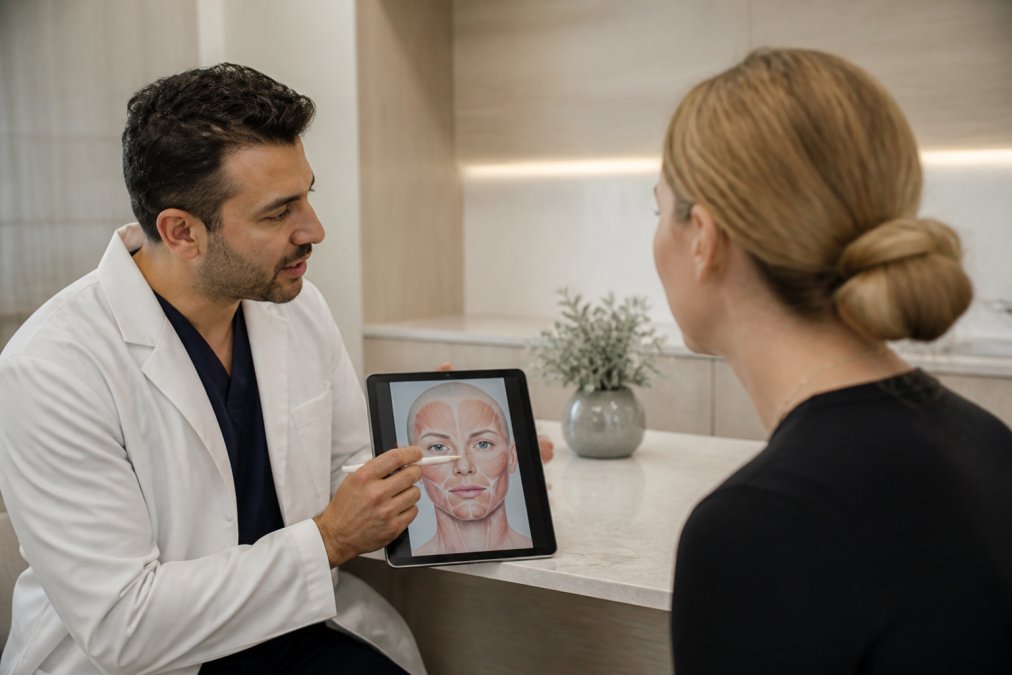
The person holding the needle decides your result. In many states, a range of licensed professionals can inject, but skill varies widely. A physician-led practice brings medical training to the table.
Credentials and Experience That Matter
Look for a licensed healthcare provider with specific injectable training. Ask how often they treat the area you're concerned about.
Board certification and hands-on experience carry real weight.
Questions to Ask During Your Consultation
A good consultation should feel like a conversation, not a sales pitch.
Ask these before you book treatment:
- Who will actually perform the injection?
- How many units do you plan to use, and why?
- What happens if I want a touch-up?
- Can I see before-and-after photos of similar patients?
- What's your plan if I don't like the result?
How to Get Natural Looking Botox Results
Natural looking Botox results start before the needle comes out. Preparation, technique, and the injector's plan for movement all shape how your face responds, and each one is something you can influence.
Pre-Treatment Preparation to Minimize Pain and Bruising
A little prep goes a long way. Discomfort and bruising both affect how your result looks in the first week, and how willing you'll be to sit still for a precise injection.
To lower your risk:
- Avoid alcohol for 24 hours before your visit. Alcohol thins the blood and increases bruising, which can distort how the treated area looks while it heals.
- Skip aspirin, NSAIDs, fish oil, ginkgo, and other blood thinners unless your doctor says otherwise. Tell your injector every supplement you take, not just prescriptions.
- Stay hydrated in the days before treatment. Well-hydrated skin holds product more predictably.
- Arrive with a clean face, no makeup, and no lotion on the treatment area.
- Eat a normal meal beforehand. Skipping food can make you lightheaded during the appointment.
- If you're prone to cold sores, ask about antiviral pre-treatment. Needle trauma near the mouth can trigger an outbreak.
Cannula vs. Needle Technique: What to Know
Cannula vs. needle technique changes comfort, bruising risk, and, less obviously, how evenly product lands in the muscle. That last point is one of the quiet reasons a result can look frozen.
Why Movement Mapping Beats Chasing Wrinkles
The single biggest difference between a relaxed result and a frozen one is whether the injector treated the muscle or treated the line.
What to Do After Botox to Avoid a Frozen Look
What you do after Botox affects how it settles, and the reason is mechanical, not mystical. Until the product binds to the nerve endings it was placed near, it can migrate. Gravity, pressure, and heat all encourage that migration. The first 24 hours are when most of the binding happens, which is why the rules below exist.
The First Four Hours
Stay upright. Do not lie flat, and do not recline in a way that tips your head back. Gravity is the single biggest driver of product drift in the early window.
The First 24 Hours
- Skip strenuous exercise, hot yoga, saunas, steam rooms, and hot showers. Heat and increased blood flow are both linked to faster diffusion.
- Avoid alcohol. It thins the blood and increases bruising, and bruising can make the area look heavier than it is.
- Don't schedule dental work, a massage, or another facial on the same day.
- Sleep on your back with your head slightly elevated if you can. If you're a stomach sleeper, at least avoid pressing the treated side into the pillow.
- Skip hats, headbands, and tight goggles that press on the forehead or brow.
The First Two Weeks
This is the window when the result actually develops. Neuromodulators don't work instantly, most patients see the full effect somewhere between day 7 and day 14.
- Don't book a touch-up before day 14. Anything sooner is guesswork, and a premature second dose is one of the most common causes of an over-frozen result.
- Gently exercise your facial muscles only if your injector specifically suggests it. Some providers recommend light expression work to help the product distribute; others say leave it alone. Follow your own provider's instructions, not a generic internet rule.
- Keep the area out of direct sun and skip harsh exfoliants or retinoids on the treated zone for a few days.
When to Call Your Provider
Call if you notice:
- Eyelid drooping or brow heaviness that appears in the first two weeks
- Swelling, redness, or pain that gets worse instead of better
- Difficulty swallowing, speaking, or breathing, this is rare but is a medical emergency
If you have questions about aftercare, call your provider. Don't guess.
Managing Discomfort and Bruising After Injections
Managing discomfort and bruising after injections is usually simple. Most side effects fade on their own within a few days.
To ease them:
- Apply a cold compress, not direct ice, for short periods
- Sleep with your head slightly raised
- Avoid alcohol and salty foods for a day
- Skip harsh skincare on the treated area
Is It Possible to Correct Frozen Botox?
Frozen Botox can be corrected, but not instantly. The fix depends on how heavy the result is and how long ago you were treated.
Options your provider may discuss:
- Waiting for the effect to fade naturally
- Small doses of a different product in select spots
- Targeted treatment to rebalance specific muscles
Frequently Asked Questions
What causes the 'frozen' look after Botox injections?
A frozen look typically results from too high a dose, injection into the wrong muscle, or treating muscles that weren't causing the lines. When botulinum toxin spreads to nearby muscles, it can paralyze areas that should still move. An experienced injector uses conservative dosing and precise placement to relax only the target muscles, preserving natural expression. If you've had frozen Botox before, discuss your concerns with a qualified injector who can adjust the dosage and technique.
How does the dosage of Botox affect facial movement?
Botox dosage directly impacts how many muscles are affected and how completely they relax. Higher doses can spread to adjacent muscles, reducing movement in areas you want to keep expressive. For natural looking botox results, injectors often start with a lower dose and assess your response after two weeks. This conservative approach lets them fine-tune future treatments. The right dosage for you depends on your muscle strength, treatment area, and aesthetic goals, which is why a personalized plan from a physician is key.
What should I discuss with my injector to avoid an over-treated appearance?
Before treatment, tell your injector exactly what you want: subtle softening, not elimination of movement. Ask about the dosage they plan to use, which muscles they'll target, and whether they recommend starting conservatively. Show photos of expressions you'd like to maintain. A qualified injector will welcome these questions and explain their approach. Also ask about their experience with natural-looking results and whether they offer a follow-up visit to assess and adjust if needed.
How does physician-led care impact the safety and aesthetics of Botox?
Physician-led care means a medical doctor evaluates your facial anatomy, muscle activity, and health history before injecting. This reduces the risk of complications like eyelid drooping or asymmetry and helps achieve natural-looking results. Physicians can also manage any adverse reactions and adjust treatment plans based on your response. At Medical Aesthetics and Lasers, Dr. Ayaz Khan brings extensive experience in aesthetic medicine, ensuring your treatment is both safe and tailored to your goals.