 how-to
How Long Does Thread Lift Last: A Complete Guide
Table of Contents
- What Is a Thread Lift and How Long Do Results Last?
- PDO Thread Lift Recovery Time and What to Expect
- Factors That Affect How Long Your Thread Lift Lasts
- How to Maintain Thread Lift Results Over Time
- Are Thread Lifts FDA Cleared and What Does That Mean?
- What Happens When Thread Lift Results Fade
- Months 0-3: Active mechanical lift and collagen initiation
- Months 3-6: Collagen production peaks, thread integrity maintained
- Months 6-12: Gradual hydrolysis accelerates, collagen continues
- Months 12-18: Thread dissolution completes, collagen sustains results
- Month 18+: Full thread absorption, collagen-only support
- Maintenance and Follow-Up Treatments
- Frequently Asked Questions
Last Updated: September 27, 2026
What Is a Thread Lift and How Long Do Results Last?
A thread lift is a minimally invasive procedure using absorbable sutures to lift and tighten sagging skin by anchoring tissue beneath the surface. Unlike surgical facelifts, it requires minimal downtime. At Medical Aesthetics and Lasers, we perform PDO and PCL thread lifts that stimulate collagen production while providing immediate mechanical support.
The results from a thread lift typically last between 12 to 18 months for most patients. This timeline depends on several factors, including the type of threads used, your skin quality, lifestyle habits, and how well you care for your skin after treatment.
Thread lifts offer noticeable rejuvenation without general anesthesia or extensive recovery. The threads dissolve naturally through hydrolysis while stimulating fibroblast activity and collagen production that continues even after the threads are gone.
PDO Thread Lift Recovery Time and What to Expect
Recovery from a PDO thread lift is quick compared to surgical alternatives. Most patients return to normal activities within 24 to 48 hours. You can expect mild swelling and bruising in the first few days, which subsides rapidly.
Here's what the first two weeks typically look like:
- Days 1-3: Mild swelling and bruising at insertion points. Sleep elevated to reduce inflammation.
- Days 4-7: Swelling decreases noticeably. Light exercise is fine; avoid heavy lifting and intense cardio.
- Weeks 2-4: Most visible signs resolve. You can resume regular workouts and normal skincare routines.
- Weeks 4-6: Full results become apparent as swelling completely resolves and collagen remodeling begins.
Avoid sleeping on your face for the first two weeks to protect thread positioning. Skip strenuous exercise, saunas, and hot showers during the first week, as heat increases blood flow and worsens swelling.
Most patients return to work the next day and can use makeup to cover minor bruising. By week two, visible signs are typically gone.
Factors That Affect How Long Your Thread Lift Lasts
Thread lift longevity depends on several interconnected factors that inform maintenance decisions.
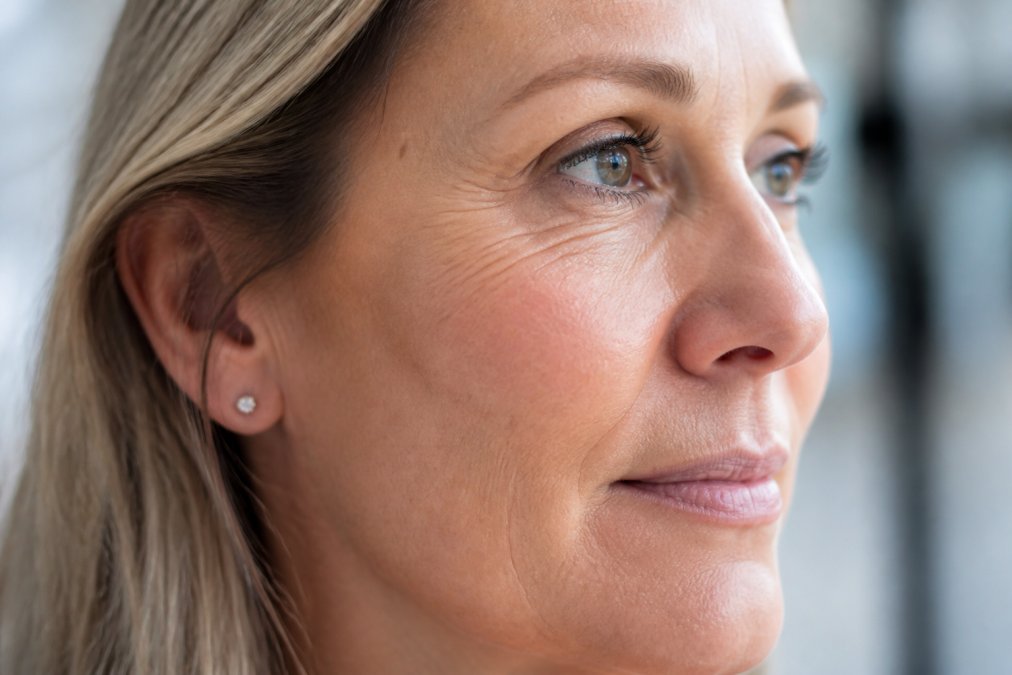
Skin quality and age
Younger skin with higher collagen density may see longer-lasting results, while older skin with reduced elasticity may fade sooner.
Sun damage accelerates thread dissolution by weakening surrounding tissue. Sun protection directly impacts how long results last.
Lifestyle and sun exposure
UV radiation accelerates thread hydrolysis. Use broad-spectrum SPF 30+ daily and reapply every two hours outdoors. Consistent sun protection can help extend results; minimal protection may lead to fading sooner.
Smoking and poor diet reduce collagen synthesis. Nicotine constricts blood vessels; low protein and antioxidants slow fibroblast activity during the critical 3-6 month collagen-stimulation window. Consume protein-rich foods and include antioxidant-rich foods (berries, leafy greens, nuts) during the first six months post-treatment.
Alcohol and dehydration thin skin and reduce its ability to support the lift. Limit alcohol and stay hydrated to maintain skin turgor and support thread positioning.
Avoid intense exercise for the first two weeks as it can shift thread positioning. Resume moderate cardio and strength training in week three to improve circulation and support collagen synthesis.
Thread type and material
PDO threads dissolve in 6-9 months with collagen effects lasting longer. PCL threads last 12-18 months due to slower hydrolysis.
Barbed threads provide stronger mechanical lift than smooth threads, though both stimulate collagen. Dr. Khan recommends the type based on your skin laxity and goals.
| Thread Type | Absorption Timeline | Collagen Stimulation | Best For |
|---|---|---|---|
| PDO | 6-9 months | 3-4 months | Mild sagging, frequent touch-ups |
| PCL | 12-18 months | 6-12 months | Moderate sagging, longer results |
Genetic factors and metabolism
Individual metabolic rate affects thread breakdown speed. Faster metabolisms accelerate absorption by 2-4 months. Thyroid function can influence collagen production.
How to Maintain Thread Lift Results Over Time
Maintaining results requires consistent skincare and lifestyle choices, as collagen production determines longevity.
Skincare essentials: Use broad-spectrum SPF 30+ daily, apply retinoid 3-4 times weekly, use hydrating serum with hyaluronic acid, and moisturize twice daily.
Lifestyle habits: Sleep 7-9 hours nightly, stay hydrated, eat protein-rich foods, limit alcohol, avoid smoking, and exercise regularly.
After two weeks, gentle facial massage improves blood flow and supports collagen production. Avoid aggressive pressure on thread sites for the first month.
Are Thread Lifts FDA Cleared and What Does That Mean?
Thread lift materials (PDO and PCL) are FDA-cleared as absorbable sutures for tissue approximation. The FDA does not specifically clear thread lifts as a cosmetic procedure; physicians use cleared materials based on their training and judgment.
This means thread materials are biocompatible and safe, dissolve through natural hydrolysis, and require a qualified physician with proper sterile technique for safety.
Medical Aesthetics and Lasers performs thread lifts under physician supervision with materials that meet FDA standards for biocompatibility and absorption. Dr. Khan's training in aesthetic medicine ensures proper thread placement and patient safety.
What Happens When Thread Lift Results Fade
Thread lift results follow a predictable phase-based pattern tied to hydrolysis, the chemical breakdown of thread material by your body's natural enzymes and water.
Months 0-3: Active mechanical lift and collagen initiation
During the first three months, threads remain intact and provide maximum lift while triggering fibroblast activation and collagen production. Most patients see 80-90% of final results by week six. The threads do not significantly hydrolyze during this phase; instead, your body initiates collagen remodeling. The first three months are critical for skincare and lifestyle habits, as the collagen produced now will support your skin after thread dissolution.
Months 3-6: Collagen production peaks, thread integrity maintained
Collagen synthesis reaches its peak during months 3-6. Your skin continues to firm and improve in texture and elasticity. The threads remain largely intact, still providing mechanical support, but their primary function has shifted from lift to collagen stimulation.
Minor hydrolysis begins during this phase, but it is not yet visible to you. Under a microscope, the thread surface shows slight degradation as water molecules penetrate the material. However, the threads retain 85-90% of their structural strength. This is why results remain stable during this window.
Patients often report that their skin looks better in month 5-6 than it did in month 1, even though the mechanical lift from the threads is slightly less. This improvement is entirely due to new collagen production, not the threads themselves.
Months 6-12: Gradual hydrolysis accelerates, collagen continues
Starting around month 6, thread hydrolysis accelerates noticeably. The threads lose structural integrity more rapidly as water penetration increases and enzymatic breakdown progresses. By month 9, the threads have typically lost 50-60% of their original strength.
During this phase, you may notice a subtle softening of the lift, not a dramatic change, but a gradual reduction in skin tightness.
Months 12-18: Thread dissolution completes, collagen sustains results
By month 12, most threads have dissolved significantly. PDO threads are typically 90-95% absorbed by this point. PCL threads may retain 20-30% of their original structure but have lost all mechanical lift capability.
Month 18+: Full thread absorption, collagen-only support
By month 18, the threads are completely absorbed and your body has eliminated all thread material through natural metabolic processes. Your results now depend entirely on the collagen that was stimulated during months 0-6.
Maintenance and Follow-Up Treatments
Many patients consider a touch-up thread lift to maintain optimal results.
Combining treatments for extended results:
Many patients pair thread lifts with other collagen-stimulating treatments:
- Sculptra or Radiesse: Biostimulators that boost collagen for 2+ years
- Microneedling: Stimulates collagen remodeling between thread treatments
- Chemical peels: Improve skin texture and support collagen production
- Laser treatments: Address fine lines and skin quality
Frequently Asked Questions
How long do thread lift results typically last?
Thread lift results generally last between 1 to 3 years, depending on the type of thread material used and individual factors like skin quality, age, and lifestyle. PDO threads, the most common type, typically dissolve within 6 to 12 months, but the collagen production they stimulate through neocollagenesis can support results for 12 to 18 months or longer. PCL threads last considerably longer, often 2 to 3 years. Your physician can discuss which timeline applies to your specific treatment during your consultation.
What factors influence how long thread lift results last?
Several key factors affect longevity: your skin's natural elasticity and collagen production capacity, age and skin quality, sun exposure and UV damage, smoking and alcohol consumption, diet and hydration, sleep quality, and stress levels. Lifestyle choices have a significant impact, patients who protect their skin from sun damage, maintain good hydration, and avoid smoking typically see longer-lasting results. The thread type also matters: PDO threads dissolve faster than PCL or other biocompatible materials, influencing how long mechanical lift and fibroblast stimulation effects persist.
What happens to the threads once they dissolve under the skin?
PDO threads undergo hydrolysis, a natural chemical process where the polydioxanone material breaks down into carbon dioxide and water, both of which are safely absorbed and eliminated by your body. As the threads dissolve, they stimulate fibroblast activity and collagen production in the dermal layer, a process called neocollagenesis. This collagen production continues even after thread dissolution, which is why results often last longer than the physical threads themselves. The new collagen provides ongoing support and skin tightening benefits that gradually fade as the collagen remodels over time.
Can I have a thread lift repeated, and how often is it safe?
Yes, thread lifts can be repeated. Most patients wait until they notice results fading before scheduling a follow-up treatment. Your physician will evaluate your skin's response to the first treatment and discuss the optimal timing for maintenance treatments based on your aesthetic goals and tissue response. Multiple treatments over time can create cumulative collagen benefits, potentially extending overall results.