 how-to
Avoiding the Overfilled Look with Fillers: A Step-by-Step Guide
Table of Contents
- What Causes the Overfilled Look
- Signs of Overfilled Filler to Watch For
- Understanding Dermal Filler Placement Techniques
- Choosing an Experienced Injector
- The Importance of a Conservative Approach
- How to Dissolve Filler Safely if Over-Correction Occurs
- Long-Term Planning: Maintenance vs. Accumulation
- Conclusion
- Frequently Asked Questions
Last Updated: September 26, 2026
What Causes the Overfilled Look
The overfilled look happens when dermal fillers add too much volume to the face, making avoiding overfilled look fillers a key concern for anyone considering injectables. It's a common concern for anyone considering injectables. The problem isn't always about the amount of product used, it's about where it's placed and how it's distributed.
Several factors create this unnatural appearance. Poor placement can push soft tissue in ways that distort facial proportions. Suboptimal injection technique may cause filler to accumulate in pockets instead of blending smoothly. Product selection matters too. Some fillers are denser than others, and using the wrong type for a specific area can create visible bulging.
Another cause is over-correction. Many people want dramatic results fast. They ask for more volume than their facial anatomy can support. The face has natural proportions and balance. When you exceed those limits, even by a small amount, the result looks artificial.
At Medical Aesthetics and Lasers, we emphasize understanding facial anatomy before any injection. A physician-led approach means assessing your baseline proportions first. This prevents the common mistake of adding volume without considering how it changes your overall facial harmony.
Signs of Overfilled Filler to Watch For
Signs of overfilled filler include:
- Visible bulging in the cheeks or lips
- Asymmetrical fullness on one side of the face
- Loss of natural facial movement
- Skin that appears stretched or shiny
- A "pillow face" appearance with rounded, puffy cheeks
- Lips that look disproportionate to the rest of the face
- Unnaturally smooth or waxy skin texture
The pillow face effect is one of the most recognizable signs. This happens when too much filler creates overly round, puffy cheeks. The face loses its natural contours and definition. Instead of looking refreshed, it looks swollen.
Pay attention to how your face moves. Natural-looking results preserve dynamic movement. Your face should still show expression. If your smile feels stiff or your cheeks don't move naturally, that's a warning sign.
Another indicator is loss of facial definition. Cheekbones should remain visible. The jawline should still have shape. If those features disappear under filler volume, over-correction has likely occurred.
Asymmetry is also telling. One side of your face may show signs of overfilling while the other looks balanced. This sometimes happens because people have naturally asymmetrical faces to begin with. A skilled injector accounts for this. But if you notice new asymmetry after treatment, it's worth discussing with your provider.
Understanding Dermal Filler Placement Techniques
Proper dermal filler placement techniques determine whether your results look natural or overdone. This is where physician expertise makes the biggest difference. The goal is volumization that respects facial anatomy.
Facial Anatomy and Proportions
Understanding facial anatomy is non-negotiable for avoiding the overfilled look. The face has specific proportions that create beauty and balance. These proportions vary by age, gender, and ethnicity. A skilled injector assesses your unique anatomy before injecting anything.
Key anatomical areas include the cheekbones, temples, midface, and jawline. Each area has different tissue depth and structure. The cheekbone sits at a specific angle. The midface has distinct layers. Injecting at the wrong depth or angle disrupts these natural structures.
Facial proportions follow mathematical relationships. The distance between features matters. The width of the face compared to its height matters. When fillers disrupt these ratios, the result looks unbalanced. A conservative approach respects these proportions. It adds volume strategically, not randomly.
Age also affects how fillers should be placed. Younger faces need less volume. Older faces may need more restoration. But "more" doesn't mean "maximum." It means enough to restore what time has taken away.
The Role of Hyaluronic Acid and Product Selection
Hyaluronic acid (HA) is the most common filler ingredient. It's a naturally occurring substance in the skin. The body gradually breaks it down over time. This makes HA fillers temporary, which appeals to many people.
Not all HA fillers are the same. They differ in density, cross-linking, and how long they last. A denser filler holds its shape longer but can look more artificial if overfilled. A lighter filler integrates more naturally but may require more frequent touch-ups.
Product selection is crucial for avoiding overfilled look fillers and ensuring natural-looking results. The right filler for the lips may be wrong for the cheeks. High-G-prime fillers (those with strong structural support) work well for defining jawlines. They're less ideal for subtle facial rejuvenation where natural movement matters.
At Medical Aesthetics and Lasers, product selection is part of the treatment plan. Your injector considers your goals, facial anatomy, and the specific area being treated. This personalized approach prevents the common mistake of using one filler for every area.
Choosing an Experienced Injector
Your choice of injector is the single biggest factor in avoiding the overfilled look. This is not a procedure to save money on. An experienced, physician-led injector understands facial anatomy deeply. They've seen hundreds of faces and know what works.
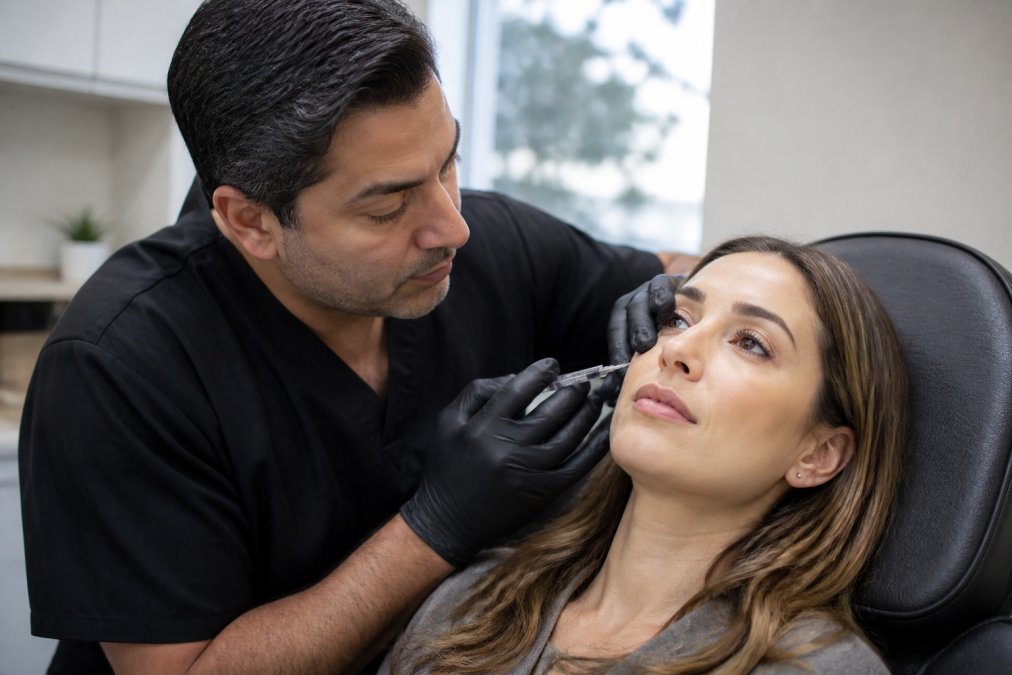
Look for injectors with specific credentials. Years of experience matter. But the best indicator is their portfolio of results. Ask to see before-and-after photos. Look for natural-looking outcomes, not dramatic transformations. If every result looks the same, that's a red flag, it means the injector isn't customizing treatment to individual faces.
Ask about their training. Where did they learn? Who trained them? Did they study facial anatomy formally? A physician-led practice brings medical training to aesthetic work. Physicians understand tissue planes, nerve anatomy, and blood vessel locations. This knowledge prevents complications and creates better results.
Ask about their approach. Do they start conservatively? Do they recommend a follow-up visit? Do they explain their reasoning? A good injector educates you about your face. They explain why they're placing filler in specific locations. They discuss proportions and balance.
Trust your instincts during the consultation. If an injector pushes for maximum volume or guarantees dramatic results, find someone else. If they listen to your concerns and ask detailed questions about your goals, that's a good sign.
The Importance of a Conservative Approach
A conservative approach is your best protection against the overfilled look. This doesn't mean avoiding fillers. It means being strategic about volume and placement.
The conservative approach starts with assessment. Your injector should evaluate your current facial anatomy. They should discuss your goals. They should explain what's realistic for your face. Then they should start with less product than you might expect.
Why less? Because you can always add more at a follow-up visit. You cannot easily remove product that's already injected. This is why experienced injectors recommend a "start low, go slow" philosophy. Inject conservatively at the first appointment. See how the filler settles. Make adjustments at a follow-up visit if needed.
This approach also respects the natural aging process.
How to Dissolve Filler Safely if Over-Correction Occurs
If you're unhappy with your results or notice signs of overfilling, reversal is possible. Hyaluronic acid fillers can be dissolved using an enzyme called hyaluronidase. This is an important safety option that many people don't know about.
Long-Term Planning: Maintenance vs. Accumulation
How you approach filler over time matters. Many people fall into the trap of accumulation. They get fillers, love the results, then keep adding more at each visit. Over time, this creates the overfilled look.
Conclusion
Avoiding the overfilled look with fillers comes down to three things: choosing an experienced, physician-led injector, taking a conservative approach to volume, and planning for long-term maintenance rather than accumulation. The overfilled look isn't inevitable. It's the result of poor placement, wrong product selection, or unrealistic volume expectations.
Frequently Asked Questions
What are the early signs that you have received too much filler?
Early signs of overfilled filler include a puffy or swollen appearance, loss of natural facial movement, an unnaturally smooth or waxy texture, and asymmetry between facial sides. You may notice the cheeks appear disproportionately full compared to the rest of the face, or the lips look overly plump without definition. A skilled injector will assess these signs during follow-up appointments and can address concerns before they become pronounced.
How does a physician-led approach prevent the overfilled look?
Physician-administered dermal fillers benefit from medical training in facial anatomy, biomechanics, and clinical judgment. Physicians understand tissue integration, filler migration patterns, and how different product densities affect outcomes. They use a conservative approach, starting with smaller volumes and building gradually over multiple sessions rather than over-correcting in one appointment. This methodology prioritizes natural-looking results and allows for adjustments based on individual facial proportions and aesthetic goals.
Is it possible to correct an overfilled appearance after a procedure?
Yes, overfilled results can be corrected using hyaluronidase, an enzyme that safely dissolves hyaluronic acid fillers. This reversal protocol allows physicians to remove or reduce filler volume when over-correction has occurred. The procedure is typically performed in-office and takes effect within hours to days. However, prevention through conservative placement and experienced injector selection is far preferable to reversal, as it avoids unnecessary treatment cycles and maintains optimal facial harmony.
What role does facial anatomy play in preventing filler migration and overfilling?
Understanding facial anatomy is critical to avoiding the overfilled look. Proper dermal filler placement techniques require knowledge of the facial layers, blood supply, and natural contours. Fillers placed too superficially or in incorrect tissue planes can cause visible lumps, migration, and an unnatural appearance. Experienced injectors assess individual facial proportions, bone structure, and dynamic movement to determine appropriate volume and placement depth. This anatomical precision ensures fillers enhance rather than distort the face.