 how-to
Are Aesthetic Injectables Painful? A 2026 Guide
Table of Contents
- What to Expect: Pain Levels During Aesthetic Injectable Procedures
- How to Reduce Pain from Botox Injections and Other Injectables
- Is Topical Numbing Cream Effective for Fillers and Botox
- Managing Pain During and After Your Injection Appointment
- Aesthetic Injection Recovery Tips and Post-Procedure Care
- Why Physician-Administered Injectables Make a Difference
- Frequently Asked Questions
Last Updated: September 21, 2026
What to Expect: Pain Levels During Aesthetic Injectable Procedures
Are aesthetic injectables painful? The short answer is: most people experience mild discomfort, not severe pain. At Medical Aesthetics and Lasers, we help patients understand what to expect before their first injection, and the reality is often less intimidating than many imagine.
When you receive an injectable like Botox or a dermal filler, you're dealing with a very thin needle entering the skin. The sensation feels more like a pinprick than anything sharp or burning. Most patients describe it as brief pressure or a small sting that fades within seconds.
The level of discomfort varies based on several factors: the type of injectable, the injection site, your personal pain threshold, and whether numbing is used beforehand. Understanding these differences helps you prepare mentally and physically.
Botulinum Toxin Injections
Botulinum toxin injections like Botox, Xeomin, and Jeuveau are generally the least painful injectables. The needle is extremely fine, and the injection itself takes just seconds per site.
Most patients report a quick pinprick sensation followed by mild pressure. The forehead, crow's feet, and between the brows are common treatment areas, and these spots tend to be less sensitive than others. Because botulinum toxin is injected into the muscle layer rather than deep into tissue, the discomfort is minimal.
The entire procedure typically takes a short time, and any sensation resolves immediately after the needle is withdrawn.
Dermal Filler Injections
Dermal fillers like Sculptra and Radiesse require slightly larger needles than botulinum toxin, which means a bit more sensation during injection. However, the difference is still modest.
Fillers are often injected into the lips, cheeks, and under-eye area, regions with more nerve endings and greater sensitivity. This is why lip filler injections tend to feel more uncomfortable than cheek or jawline work. The needle penetrates deeper into the dermis or subcutaneous layer, which some patients find more noticeable than superficial botulinum toxin work.
That said, most filler patients tolerate the procedure well, especially when topical numbing is applied beforehand.
How to Reduce Pain from Botox Injections and Other Injectables
The good news: there are proven strategies to minimize discomfort during aesthetic injectables. Most involve preparation before your appointment and technique choices made by your healthcare provider.
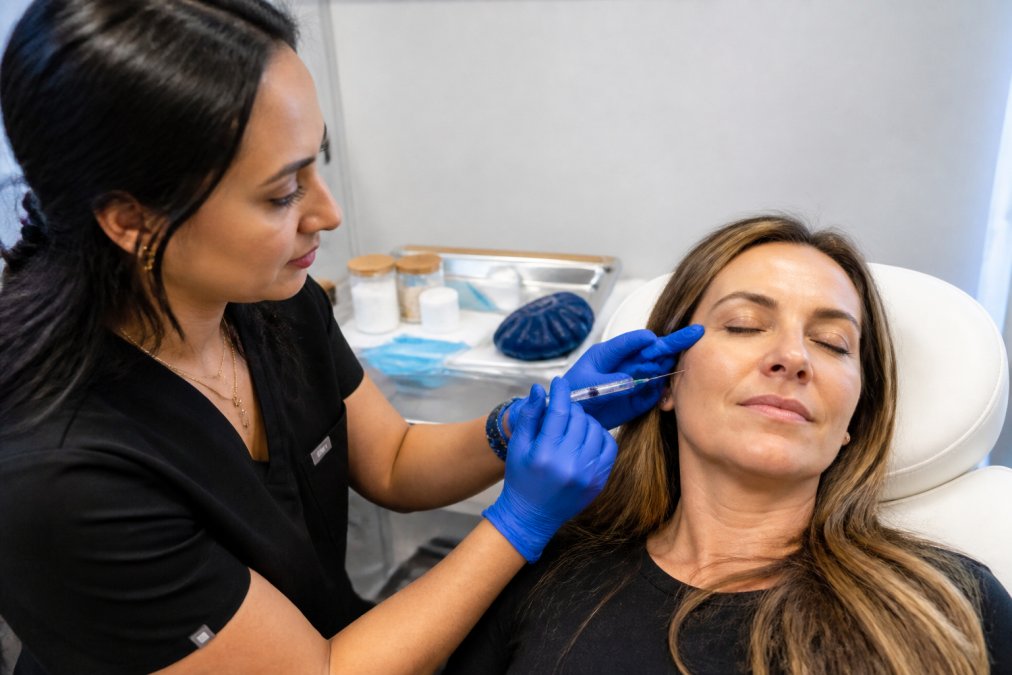
Pre-Treatment Preparation
What you do before your appointment significantly impacts how you experience the injection. Several simple steps reduce pain sensitivity.
Avoid blood thinners like aspirin, ibuprofen, and fish oil supplements as advised by your physician before treatment, as these can increase bruising and make your skin more sensitive to needle insertion. Alcohol can also thin blood, so it's often recommended to avoid it for a period before your appointment.
Stay hydrated and well-rested the night before. Dehydrated skin is tighter and more reactive to needles. A good night's sleep helps your nervous system stay calm, which naturally raises your pain threshold.
Eat a light meal before arriving. Low blood sugar can make you feel faint or more sensitive to discomfort. Avoid caffeine, which can increase anxiety and make you more aware of pain sensations.
Needle Gauge and Cannula Technique
The size and type of needle your provider uses directly affects how much you feel. A smaller needle gauge (higher number) means a thinner needle and less tissue trauma.
Most aesthetic providers use fine-gauge needles for botulinum toxin. For fillers, slightly larger needles are sometimes used, but experienced injectors choose the smallest gauge that allows the product to flow smoothly.
Some providers use a blunt-tip cannula instead of a needle for filler placement. A cannula is a small tube that's inserted once through the skin, then moved under the surface to deposit filler along a line. Many patients find cannula injection less painful because it requires fewer skin penetrations, though the initial entry point may feel slightly more substantial.
At Medical Aesthetics and Lasers, physician-administered injectables emphasize technique that prioritizes patient comfort while ensuring precise, natural-looking results. Your provider's experience with needle angle, injection speed, and depth makes a measurable difference in your experience.
Is Topical Numbing Cream Effective for Fillers and Botox
Topical numbing creams genuinely reduce discomfort during aesthetic injectables. They're one of the most accessible pain-management tools available.
Lidocaine and Other Topical Anesthetics
Topical anesthetics like lidocaine work by numbing the outer layers of skin. When applied 20-30 minutes before injection, they block surface-level pain signals so the initial needle prick feels much less sharp.
Lidocaine is the most common topical anesthetic for cosmetic procedures. It's available over-the-counter in cream, gel, or patch form. For best results, apply it thickly to the treatment area and cover it with plastic wrap or an occlusive dressing to increase absorption.
Prescription-strength topical anesthetics can be more potent. Some medical practices apply these in-office before treatment.
Keep in mind that topical numbing addresses surface discomfort. It does not eliminate the sensation of the needle entering deeper tissue layers, but it significantly reduces the initial sting that many patients find most bothersome.
Combining Methods for Maximum Comfort
Using topical numbing alongside other comfort strategies creates a synergistic effect. Apply lidocaine cream 20-30 minutes before your appointment. When you arrive, your provider can apply ice to the treatment area immediately before injecting, cold reduces nerve signal transmission and provides additional numbing.
Some practices use vibration devices during injection. The vibration stimulates larger nerve fibers, which can override pain signals in a process called "gate control." This simple technique costs nothing but can noticeably reduce discomfort.
Mental preparation matters too. Breathing deeply, focusing on relaxation, and avoiding tense muscles all help. Anxiety amplifies pain perception, so calming your nervous system before the needle touches your skin makes the experience feel less intense.
Managing Pain During and After Your Injection Appointment
Even with preparation, you'll feel some sensation during the procedure. Knowing what to expect and how to manage it makes the experience easier.
Ice Packs and Cold Compress Therapy
Ice applied before and after injection serves multiple purposes. Before injection, cold numbs the area through vasoconstriction, it narrows blood vessels and reduces nerve sensitivity. After injection, ice reduces inflammation and bruising.
Apply ice as directed before treatment, then again immediately after if your provider approves. Some practices wrap ice in a thin cloth to avoid direct skin contact.
Cold compress therapy continues at home after your appointment. Ice as directed after treatment helps minimize swelling and tenderness. This is especially important after filler injections, which can cause more post-procedure inflammation than botulinum toxin.
Psychological Pain Management Techniques
Your mind plays a powerful role in how much pain you perceive. Several evidence-based mental techniques reduce discomfort during injection.
Distraction is highly effective. Focus on your breathing, count slowly, or ask your provider to describe what they're doing, engaging your attention elsewhere makes you less aware of needle sensation. Some patients find it helpful to look away or close their eyes during the procedure.
Progressive muscle relaxation reduces tension. Before your appointment, systematically tense and release different muscle groups. This trains your nervous system to stay calm during the injection, which naturally raises your pain threshold.
Visualization works too.
Aesthetic Injection Recovery Tips and Post-Procedure Care
Discomfort doesn't end when the needle is withdrawn. Managing post-injection tenderness and swelling keeps you comfortable during recovery.
Managing Bruising and Swelling
Bruising and swelling are normal after aesthetic injectables, especially fillers. Both contribute to post-procedure tenderness. Ice in the first 24 hours minimizes swelling. After 24 hours, warm compresses can help resolve remaining swelling by increasing blood flow.
When Pain or Discomfort Signals a Complication
Mild tenderness and swelling are expected after aesthetic injectables. Certain types of pain warrant immediate attention from your healthcare provider.
Why Physician-Administered Injectables Make a Difference
The person injecting you directly impacts both your pain experience and your safety. Physician-administered injectables offer advantages that extend beyond comfort.
Frequently Asked Questions
What hurts worse, Botox or dermal fillers?
Botox injections typically cause minimal discomfort, most patients describe a pinprick sensation lasting seconds. Dermal fillers often cause more tenderness because they require deeper needle placement into the subcutaneous layer and typically involve more product volume. Filler injections to sensitive areas like the lips tend to be more uncomfortable than cheek or temple placement. However, pain perception varies by individual pain threshold, needle gauge used, and provider technique. A skilled physician using a fine-gauge needle or cannula can significantly reduce discomfort for both treatments.
How long does pain last after aesthetic injectable treatments?
Immediate injection site discomfort typically resolves within a short time after your appointment ends. Post-procedure tenderness and mild soreness may persist for a day or two, especially with dermal fillers or lip enhancement. Bruising and swelling, if they occur, can last several days and may cause mild tenderness during that window. Over-the-counter pain relief and ice therapy usually manage any lingering discomfort effectively. If pain intensifies or is accompanied by severe swelling, blanching, or other concerning symptoms, contact your healthcare provider immediately.
What steps can I take before my first aesthetic injectable appointment to minimize pain?
Start by scheduling your appointment with a physician experienced in injection techniques, they understand patient comfort and use refined methods to reduce discomfort. Avoid blood-thinning medications and supplements like aspirin, ibuprofen, and fish oil as advised by your physician before treatment, as these can increase bruising and bleeding at the injection site. Stay well-hydrated and get adequate sleep the night before. Eat a light meal beforehand to prevent lightheadedness. Discuss topical anesthetics like lidocaine cream with your provider in advance. On appointment day, arrive calm and let your provider know about your pain concerns, they can adjust technique, application speed, and comfort measures accordingly.
Is there a significant difference in pain between different injectable types like Botox, Xeomin, or Jeuveau?
The actual injection process feels nearly identical across botulinum toxin products like Botox, Xeomin, and Jeuveau because they all use the same needle technique and injection depth. Discomfort depends far more on provider skill, needle gauge, injection speed, and your individual pain threshold than on the specific botulinum toxin product chosen. Dermal fillers vary slightly in pain level based on their formulation and viscosity, thicker fillers may require slightly more pressure to inject, but again, physician technique and local anesthesia use matter most. A licensed healthcare provider will select the product and technique best suited to your comfort needs and treatment goals.